I d Love to but My Cat Said No Embroidery Design Review
A First Look at the Visual Personality
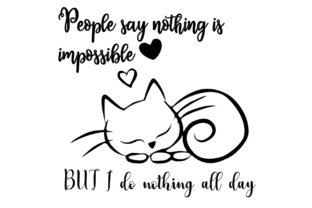
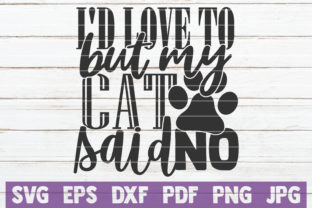
At first glance, I d Love to but My Cat Said No feels like a playful and cheeky design that’s perfect for those who want to inject some humor into their embroidery projects. The layout is clean and straightforward, with a bold message that’s easy to read and visually engaging. It has a modern, minimalist vibe that makes it feel both approachable and professional.
The transparent background in the PNG file gives it a versatile look, which is great for digital mockups or printable previews. The use of clear typography and simple shapes suggests that this design would work well on a variety of surfaces, from fabric to paper. It’s not overly detailed, which is a plus if you're looking for something that won’t get lost in busy patterns or textures.
Real-Life Use: A Custom Embroidered Tote Bag
Let’s imagine using I d Love to but My Cat Said No on a custom embroidered tote bag. This design could be a hit for small shop products, especially around pet-related themes or humorous gift items. I can see it being a popular choice for Etsy sellers or craft fairs where customers are looking for personalized gifts with a bit of wit.
When stitched out, the text should remain crisp and legible, even on larger hoop sizes. The line thickness and spacing suggest that it would hold up well with satin stitch or running stitch, depending on the desired texture. However, I would recommend testing it on scrap fabric first to confirm how the thread colors contrast against different backgrounds.
On a tote bag made of cotton canvas, this design would stand out nicely, especially when paired with a stabilizer to prevent puckering. If the fabric is dark or textured, the design might need a slightly bolder thread color to maintain visibility. But overall, it seems like a solid choice for commercial embroidery projects that aim to be both functional and fun.
Where This Design Shines Best
I d Love to but My Cat Said No is ideal for a wide range of embroidery applications. For instance, it could work beautifully as an embroidered patch for a handmade jacket or as a label on a custom sweatshirt. Its simplicity also makes it a good fit for baby clothes, where parents might appreciate a lighthearted message without overwhelming the garment.
In terms of commercial use, this design could be a go-to for holiday embroidery, especially around events like Mother’s Day or Father’s Day, where people are shopping for unique and personalized gifts. It’s also suitable for boutique branding or as part of a collection of digital embroidery files sold to craft businesses or individual makers.
For handmade product creators, the ability to create a finished product that feels both professional and personal is key. This design helps achieve that balance, making it a valuable addition to any embroidery project portfolio.
Areas to Consider Carefully
While I d Love to but My Cat Said No is a strong design, there are a few scenarios where extra care is needed. When working with small hoop sizes, the text may lose clarity, so it's best to ensure that the design fits comfortably within the chosen hoop dimensions.
Using this design on thin fabric or stretchy materials could lead to distortion unless proper stabilizer is used. Similarly, placing it on dark fabric might require adjusting thread colors to ensure the message remains visible. On curved surfaces like caps or hats, the design may need to be resized or repositioned to avoid awkward placement.
If you plan to use this on layered garments or items that will undergo frequent washing, it’s important to test how the stitching holds up over time. While the digital embroidery file provides high-resolution formats like 300ppi PNG and EPS, real-world results can vary based on the fabric and machine settings used.
Design Notes for Embroidery Professionals
Before incorporating I d Love to but My Cat Said No into your workflow, take a few moments to review the stitch density and ensure that the design doesn’t have overly dense areas that might cause tension issues. Testing it on scrap fabric is always a good idea, especially if you’re planning to use it for personalized gifts or custom apparel.
Also, consider how the design looks in black and white mockups to evaluate its contrast on different backgrounds. If you're selling this as part of your design assets, make sure you understand the licensing terms before offering it for sale—especially if you plan to include it in digital product previews or printable mockups.
Finally, don’t forget to check whether the design works well for both personal and commercial projects. Whether you're creating a one-of-a-kind item for a client or building a collection for your craft business, having a reliable and adaptable design like this one can make all the difference in your creative process.