Digital Cat Embroidery Design Review
First Impressions of Digital Cat
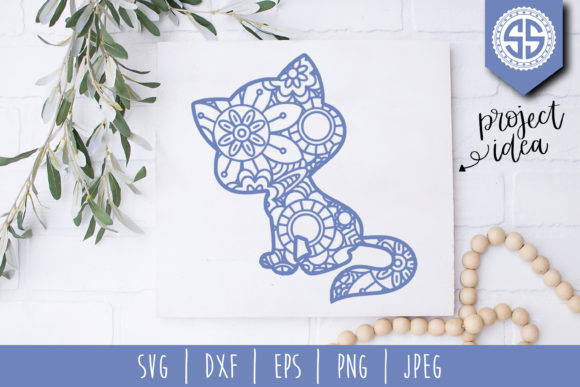
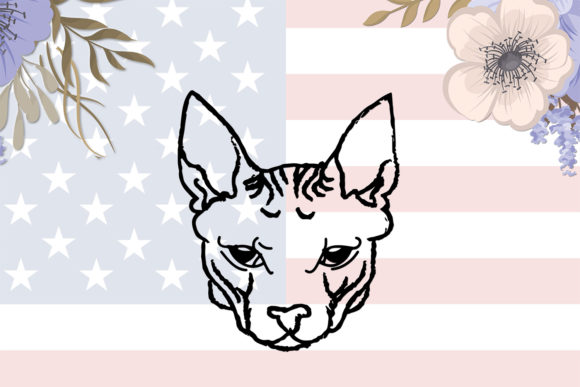
Opening the zip folder with Digital Cat, I immediately noticed the clean, well-organized structure. The six files—vector Ai, EPS, SVG, DXF, and high-resolution PNG and JPG—make it easy to work with any embroidery software or machine. The design itself is simple yet charming, with a rounded silhouette and expressive eyes that give it a playful, approachable mood. It feels like a friendly companion, perfect for projects that need a touch of whimsy without being too busy.
The shape is compact, which makes it ideal for smaller embroidery areas like patches, caps, or baby clothes. The layout is centered, with minimal negative space, so it doesn't feel lost on larger items like tote bags or sweatshirts. The detail level is just right—not too intricate that it becomes overwhelming, but enough to add character. This makes Digital Cat a versatile choice for both personal and commercial embroidery projects.
Real-Life Use: Custom Embroidered Tote Bag
Let’s imagine using Digital Cat for a custom embroidered tote bag. As a designer, I’d start by visualizing how the cat would look stitched onto a cotton canvas. The design’s soft curves and gentle features would translate well into satin stitch and fill stitch, creating a smooth, polished look. The size of the cat fits comfortably within a 5x7 hoop, which is common for tote bag embellishments.
I can see this design working beautifully as an embroidered patch or a standalone applique on a tote. The PNG and JPG files at 300 DPI are great for mockups, helping me present the final product to clients or customers before stitching. For a boutique or Etsy shop, this could be a popular item—especially around holidays or for pet lovers.
However, I’d test the design on scrap fabric first. Checking thread color contrast is crucial, especially if the tote is white or light-colored. Darker thread colors might make the cat pop more, while lighter threads could blend in. Also, considering the fabric texture is important—cotton is forgiving, but stretchy or thin materials may require extra stabilizer to keep the design from puckering.
Where to Use Digital Cat Carefully
Digital Cat is a great all-rounder, but there are situations where it should be used with caution. For instance, on small hoop sizes, the design might lose some of its charm due to reduced scale. If the hoop is too tight, the cat's features might appear cramped or less defined.
Textured fabrics like burlap or denim could also challenge the design’s clarity. The cat’s details might not show up as clearly on these surfaces, so testing is key. On dark fabrics, the same applies—ensuring good thread contrast will be essential. Additionally, when placing it on curved surfaces like caps or hats, the design needs to be adjusted for the curve to maintain its shape after stitching.
Products that need frequent washing, like aprons or pillow covers, should use proper stabilizer to prevent distortion. Dense stitch areas or decorative accents might require adjusting the stitch density to avoid overloading the fabric. Tiny lettering isn’t an issue here since Digital Cat doesn’t have any text, but for other designs, this could be a concern.
Visual Appeal and Practical Value
Digital Cat adds a nice touch of personality to any handmade product. Its visual appeal lies in its simplicity and charm, making it suitable for a wide range of audiences—from kids to adults. Whether it's a personalized gift, a boutique product, or a commercial embroidery project, this design brings warmth and character to the finished product.
For a craft business or Etsy seller, Digital Cat could be a valuable addition to a collection of digital embroidery files. It enhances customer trust when they see a well-crafted, professional-looking design. The design’s consistency and quality help maintain brand recognition, especially if used across multiple products like patches, sweatshirts, or baby items.
As a handmade product, it elevates the presentation and gives a sense of care and attention to detail. The design is giftable and recognizable, making it a hit for holiday gifts, wedding favors, or even nursery decor. Its versatility ensures it can be adapted to various styles and uses, from minimalist to more detailed.
Embroidery Designer Notes
Before using Digital Cat in a real project, I recommend testing it on scrap fabric to see how it stitches out. Check thread color contrast against your chosen fabric, and review the stitch density to ensure it won’t cause puckering or strain on the material. Confirm the hoop size you’ll be using and inspect small details closely.
Testing in black and white mockups can help determine how the design will look on different fabric backgrounds. Always use proper stabilizer, especially for stretchy or thin fabrics. Make sure the design works for both personal and commercial projects, and confirm licensing terms before selling finished items or digital products.
Whether you're a hobbyist, a small shop owner, or an Etsy seller, Digital Cat offers a reliable, charming option for adding a touch of personality to your embroidery projects. With thoughtful planning and testing, it can become a go-to design for many creative endeavors.